


Legacy Through the Lens: A Conversation with Janus Maczak
- imherewithmag

- Dec 17, 2025
- 5 min read
Calgary Photographer Q and A.

About the Artist
Janus Maczak is a world-renowned fine art and portrait photographer whose work spans continents and communities. Known for his emotionally resonant style and ethical clarity, Janus blends technical mastery with a deeply relational approach. His studio, based in Calgary, Alberta, serves as a 24/7 creative hub for photography, videography, and podcasting—welcoming collaborators from all walks of life.
With decades of experience and a global reputation for excellence, Janus is one of the few photographers specializing in end-of-life portraiture for humans and animals. His work honors dignity, legacy, and love in its most profound form. He also quietly supports actors, artists, and performers seeking portfolio images that transcend the ordinary.
Beyond the lens, Janus is a mentor, contest host, and advocate for ethical standards in the creative industry. His philosophy is simple: photography is not just about capturing what’s in front of you—it’s about uplifting what’s within.

1. What inspired you to pursue photography as a lifelong career?
Photography found me early, but it wasn’t the camera that drew me in—it was the connection. I realized that photography could preserve emotion, not just appearance. Over time, it became clear that this craft wasn’t just about capturing moments—it was about honoring people, telling stories, and creating something that lasts.
I never shoot without first making an effort to get to know someone. Most people feel nervous when they first meet a photographer, so I soften the atmosphere—share a few laughs, offer icebreakers, maybe have coffee or tea. I want people to feel safe, seen, and respected.
That philosophy led me into one of the most personal and unique niches I’ve embraced: end-of-life photography. I’m one of the few photographers who specialize in this space, both for humans and animals. These portraits are about dignity, legacy, and love. They’re some of the most emotionally profound images I’ve ever created.
Photography, for me, is a lifelong commitment to empathy, artistry, and advocacy. It’s how I give back. It’s how I build legacy.
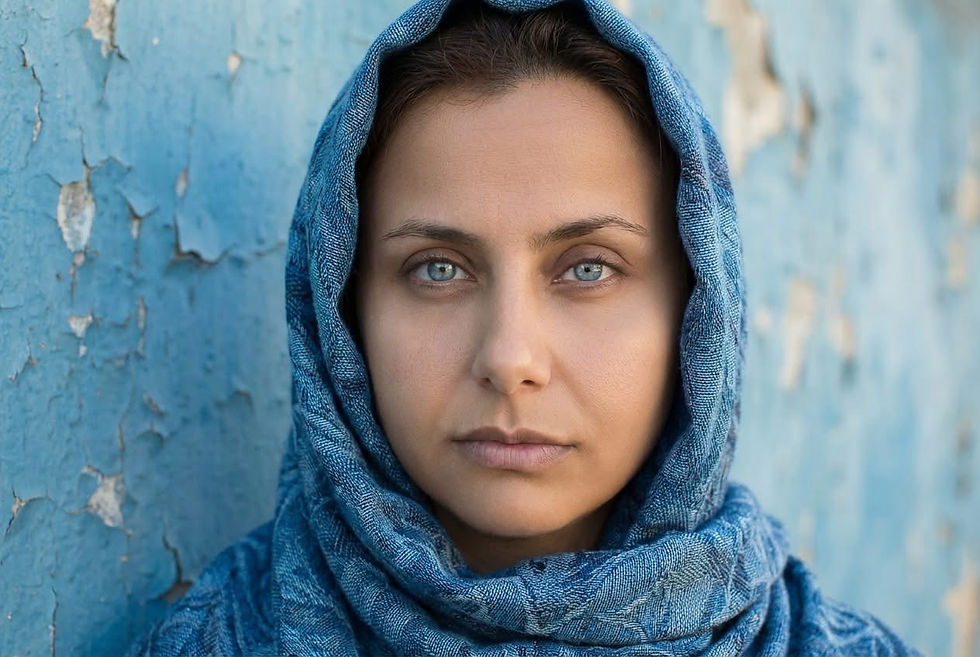
In the Frame: @narges_atrak Narges Atrak by Janus Maczak
2. What makes a photograph truly powerful or timeless?
A powerful photograph doesn’t just show—it reveals. It captures something beneath the surface: a truth, a vulnerability, a moment of grace. Timeless images are emotionally honest. They resonate because they reflect something real.
3. What’s one common misconception about professional photography?
That it’s all about gear or technique. While those matter, the heart of photography is relational. The magic doesn’t happen when you press the shutter—it begins with trust, listening, and creating a space where someone feels safe enough to be seen.

In the Frame: @hdezdanae by Janus Maczak
4. What’s the proper way to prepare for a shoot—especially when the images may be used publicly?
It starts with transparency. I provide a clear agreement outlining usage rights, expectations, and artistic direction. But preparation isn’t just technical—it’s emotional. Connection is key. That’s what transforms a photo into a portrait.
5. What do you believe is the core dream behind most photographers’ work?
Connection. Most photographers dream of creating something that resonates—something that moves people or preserves memory. For me, the dream is impact: when someone feels truly seen, when an image helps a community feel proud, when a story is told with dignity.
6. Who legally owns the images after a shoot, and how should that be communicated?

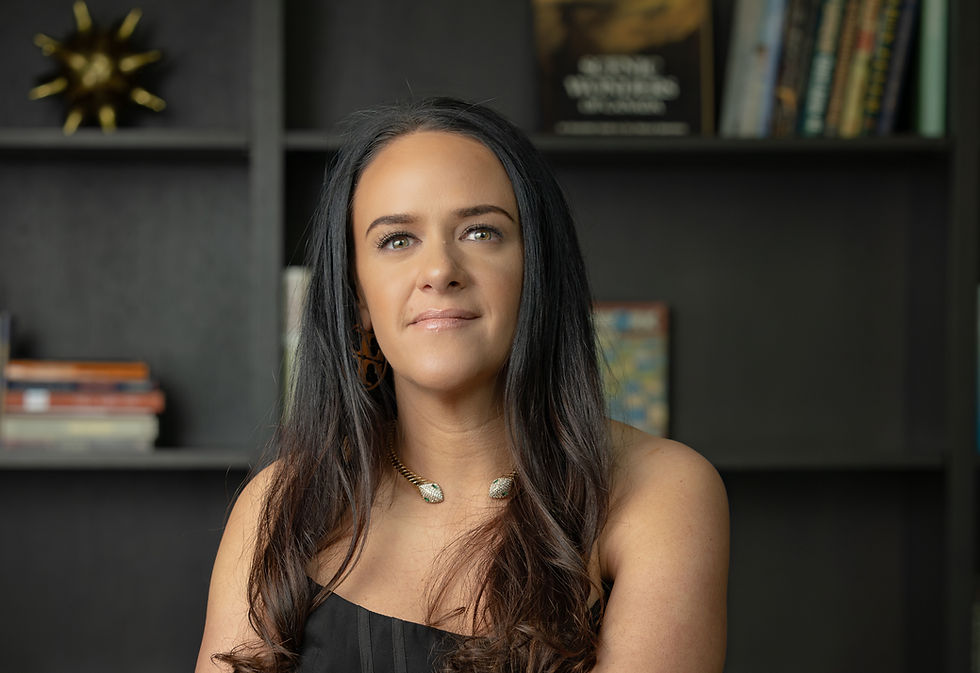
Harmeet Gill a.k.a. @desi_gbmodel by e by Janus Maczak
Unless stated otherwise in writing, the photographer retains copyright. I make this clear from the beginning. Every person I work with receives a written agreement outlining usage rights. It protects everyone and builds trust.
This kind of clarity is one of the “tells”—a sign you’re working with a professional. Pros don’t leave things vague. They set expectations and honor the craft.
7. If someone receives a photo, what’s the respectful way to repost or publish it?
Start by asking. Receiving a photo doesn’t automatically grant publishing rights. Credit is essential—tagging the photographer, naming him in captions, linking back to his work. If the image includes a person, their consent must also cover the intended use.
Professionals communicate. They don’t guess—they ask. That shows respect for the work and the relationship behind it.
8. What does it mean for a photographer to have “made it”?
When your work uplifts others. When people trust you not just with their image, but with their story. When your studio becomes a space where people feel safe, empowered, and proud of who they are.
Some of the most meaningful moments in my career have come from unsolicited notes from fellow professionals around the world—people whose work I admire, reaching out to say, “I see what you’re doing.” Those quiet accolades are priceless. Just as meaningful are the moments when someone asks for mentorship. That’s when you know your work is resonating—not just visually, but emotionally.
One of the highest compliments I’ve ever received came from someone who said they could recognize my work without checking the credit. That, to me, is the pinnacle of artistic achievement. A recognizable style isn’t something you develop overnight—it’s the last thing to arrive. It’s the fingerprint of your creative soul.

Prerana Chitlangia — Miss India USA — where old-world elegance meets modern power. A portrait of grace, grit, and gold. Photography by Janus Maczak
9. Are the rules of photography universal, or do they shift depending on context?
Some technical principles are widely taught, but the deeper rules shift depending on genre, intent, and cultural context. Photojournalism demands accuracy. Fine art invites interpretation. Portraiture calls for empathy. Each genre carries its own expectations, and each community its own sensitivities.
Whatever discipline you pursue, excellence matters. I strive for perfection—not out of ego, but out of respect for the craft. That starts with technical mastery and the ability to get the absolute maximum out of my gear. Gear matters, in my humble opinion. I enjoy pushing it to its limits.
But excellence isn’t just technical—it’s creative. I approach every opportunity by asking, “How would the average person take this photo?” Then I challenge myself to do it differently. Sometimes that’s hard. Sometimes it feels impossible. But what counts is the attempt—the commitment to think differently.
10. What advice would you give to emerging photographers?
Start with integrity. Be clear, be kind, and be consistent. Treat every subject with dignity.
Mentorship at the early stages is a prerequisite to a successful career. It shaves years off the trial-and-error process. A good mentor won’t judge you—they’ll guide you toward opportunities where you can see the room for improvement yourself.
Never hesitate to ask questions. There are no dumb questions. Have humility. The more you learn, the more you realize how little you know.
Education is essential. That includes technical skills, visual literacy, and the history of photography and visual arts. There are several universities around the world offering excellent photography programs. If you have access to that kind of education, take it seriously. It’s an investment in your voice.
And remember: commercial success has very little to do with skillset. You can be technically brilliant and still struggle to find visibility. That’s why versatility matters. Don’t be a one-trick pony. Explore different genres, challenge your habits, and stay open to new ways of seeing. The photographers who last are the ones who evolve and adapt.


Comments